
Concussion After Fall: Symptoms & When to Go to ER
Falls are one of the most common causes of head injury and concussion, especially among older adults and children. Knowing which symptoms warrant immediate emergency care can make the difference between full recovery and serious complications.
In This Article
⚡ Key Takeaways
- Concussions can develop immediately or gradually after a fall, with symptoms ranging from headache and dizziness to confusion and memory problems.
- Loss of consciousness, severe headache, repeated vomiting, and altered mental status are warning signs requiring immediate emergency evaluation.
- Medical imaging such as CT scans may be necessary to rule out skull fractures, intracranial bleeding, or other serious traumatic injuries.
- Post-concussion management involves rest, symptom monitoring, and gradual return to normal activities under medical guidance.
- All fall-related head injuries should be evaluated by a healthcare provider, even if initial symptoms seem mild or improve quickly.
What Is a Concussion?
A concussion is a type of traumatic brain injury caused by a bump, blow, or jolt to the head that changes how the brain normally functions. When you fall and strike your head, the sudden impact can cause the brain to move within the skull, disrupting normal brain activity and triggering a cascade of chemical and physiological changes. Unlike a simple bump on the head, a concussion involves functional changes in how the brain processes information, even if no visible bleeding or fracture occurs on imaging.
Concussions are classified as a form of blunt trauma injury. The injury does not require a person to lose consciousness—in fact, the majority of people who sustain a concussion remain awake throughout and afterward. What defines a concussion is the disruption of brain function following impact, which may result in temporary confusion, memory problems, balance difficulties, or sensitivity to light and sound. This distinction is important because many people mistakenly believe a concussion must involve being knocked out, which can delay proper medical evaluation and care.
Falls are particularly common causes of concussion in two age groups: young children (who are still developing coordination and judgment) and older adults (who may have balance problems, medication side effects, or bone fragility). However, anyone at any age can sustain a concussion from a fall, whether from slipping on wet surfaces, tripping on stairs, or colliding with furniture or the ground.
Immediate Symptoms After a Fall
Symptoms of concussion can appear instantly or within the first few hours after a head injury. Recognizing these early warning signs is critical for determining whether you need to seek emergency care. Some of the most common immediate symptoms include:
- Headache: Often described as pressure, throbbing, or a dull ache; may be localized to the impact site or generalized across the head.
- Dizziness and balance problems: Feeling lightheaded, unsteady when standing, or having the sensation that the room is spinning.
- Confusion: Difficulty concentrating, feeling disoriented about time or place, or struggling to follow conversations.
- Nausea or vomiting: Stomach upset occurring shortly after the fall, which may worsen with movement.
- Sensitivity to light and sound: Bright lights or loud noises feel painful or overwhelming; the person may prefer a dark, quiet environment.
- Memory difficulty: Trouble recalling the fall itself, events immediately before or after, or recent conversations.
- Fatigue: Unusual tiredness or drowsiness despite recent rest, or conversely, difficulty falling asleep.
- Mood changes: Irritability, nervousness, or sadness that seems out of proportion to the situation.
Not every concussion victim experiences all of these symptoms. The presentation varies based on the severity of impact, the person's age, and individual vulnerability factors. A young athlete might primarily report a throbbing headache and difficulty concentrating on schoolwork, while an older adult might emphasize dizziness and nausea. The key is that any collection of these symptoms appearing after a fall warrants medical attention.
Delayed & Progressive Concussion Symptoms
One of the most challenging aspects of concussion management is that symptoms do not always appear immediately. Some individuals seem fine in the hours after a fall, only to develop significant symptoms 24–48 hours later. This delayed onset can occur because the brain's metabolic disruption and inflammatory response evolve over time. It is not uncommon for a parent, caregiver, or friend to leave an emergency room thinking the situation is resolved, only to notice concerning changes in behavior, cognition, or physical symptoms within the next day or two.
Delayed and progressive symptoms may include:
- Worsening headache: Initial mild discomfort that gradually intensifies despite pain management.
- Increased confusion or disorientation: The person becomes progressively harder to rouse or less able to answer questions accurately.
- Personality changes: Unusual aggression, tearfulness, or withdrawal from normal activities.
- Sleep disturbances: Either excessive sleeping or insomnia, neither of which matches the person's baseline.
- Concentration and memory lapses: Difficulty completing tasks at work or school; repeating the same questions or forgetting recent events.
- Persistent dizziness: Balance issues that worsen or prevent safe walking without assistance.
- Vision changes: Blurred vision, difficulty tracking objects, or double vision.
If you notice any progressive worsening of symptoms in the hours or days following a fall, especially in a child or elderly person, do not wait to contact a healthcare provider. Delayed symptom emergence is one reason why medical observation after a head injury is so important—physicians can monitor for evolving complications and adjust care accordingly.
When to Seek ER Care: Red Flag Warning Signs
If you are experiencing a life-threatening emergency, call 911 or go to the nearest emergency room immediately.
Certain symptoms indicate a medical emergency that requires immediate evaluation at an ER. Do not wait for an appointment with a primary care doctor if any of the following warning signs appear after a fall:
- Loss of consciousness: Even brief unconsciousness (a few seconds) after head trauma requires emergency evaluation.
- Severe headache: Pain that is the worst headache of the person's life, or that rapidly worsens despite pain medication.
- Repeated vomiting: Nausea that progresses to vomiting multiple times over an hour or more.
- Seizures: Any convulsive activity or unusual muscular rigidity following the fall.
- Clear fluid draining from the nose or ears: This suggests possible cerebrospinal fluid (CSF) leak, indicating a skull fracture.
- Unequal pupil size: One pupil significantly larger than the other may indicate increased pressure inside the skull.
- Slurred speech or difficulty speaking: Changes in clarity or coherence of speech after the injury.
- Weakness or paralysis: Numbness, tingling, or inability to move on one side of the body.
- Altered level of consciousness: Drowsiness that progresses to inability to be awakened, or extreme agitation.
- Behavioral changes: Unusual aggression, disorientation, or inability to recognize familiar people.
In the DFW area, including Fort Worth, Keller, Saginaw, and surrounding communities, residents can visit ER Of Fort Worth or a nearby emergency facility at any time for evaluation of these concerning symptoms. Emergency providers will perform neurological assessments and order imaging if necessary to rule out serious injuries such as skull fractures, epidural hematomas, or traumatic brain swelling.

How Doctors Diagnose Concussion After Fall
When you arrive at an emergency room after a fall with suspected concussion, medical staff will conduct a thorough evaluation to determine the extent of injury and rule out more serious complications. The diagnostic process typically includes:
Clinical History & Neurological Examination
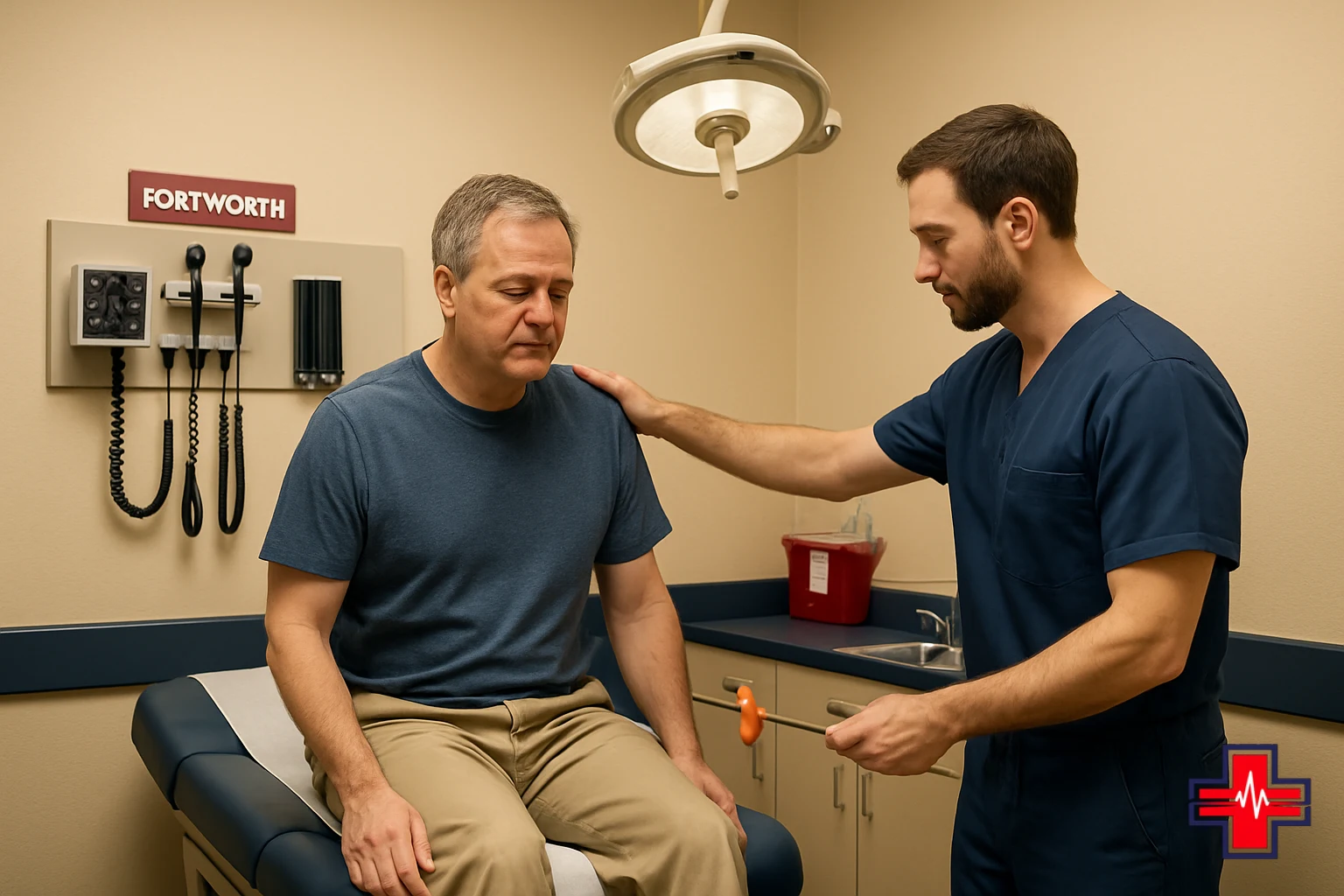
The physician will ask detailed questions about the fall: how it occurred, what you struck, whether you lost consciousness, and what symptoms appeared immediately and subsequently. They will perform a comprehensive neurological exam, testing pupil reactivity, eye movements, strength in all extremities, sensation, balance, and coordination. This baseline assessment helps identify any deficits in brain function.
Impact & Symptom Assessment Tools
Emergency providers may use standardized concussion screening tools such as the Post-Concussion Symptom Scale or brief cognitive screening tests to quantify symptom severity and document baseline mental status. These tools help track changes over time and guide management decisions.
Imaging for Blunt Trauma & Fracture Detection
If there is concern for skull fracture, intracranial bleeding, or other structural injury, the physician will order imaging. A CT (computed tomography) scan of the head is the gold standard for rapid evaluation in the emergency setting. Blood Tests ER services and imaging studies help confirm the diagnosis and rule out complications. CT scans are highly sensitive for detecting fractures and bleeding but do not typically reveal a simple concussion (which is a functional injury without structural changes visible on standard imaging).
Observation and Serial Assessment
For patients with significant symptoms or risk factors (such as older age, blood thinners, or previous concussions), the ER may recommend a period of observation. ER Of Fort Worth provides Emergency Services including post-trauma observation to monitor symptom progression, perform repeat neurological checks, and ensure safety before discharge.
Concussion Management & Post-Trauma Recovery
Once concussion is diagnosed, the primary focus shifts to supportive care and monitored recovery. There is no medication that "cures" a concussion; rather, management centers on symptom relief and protecting the brain from further injury during the vulnerable healing period.
Immediate Post-Emergency Care
After evaluation in the emergency setting, you will receive discharge instructions that typically include rest—both cognitive and physical. Cognitive rest means limiting activities that require mental focus, such as schoolwork, work projects, video games, or excessive screen time. Physical rest means avoiding strenuous exercise, sports, and high-impact activities. Both types of rest reduce the metabolic demands on the injured brain and may accelerate recovery.
Symptom Management
Over-the-counter pain relievers (such as acetaminophen) may be used for headache, though ibuprofen is often avoided in the acute phase due to bleeding risk. Nausea can be managed with dietary adjustments (small, frequent, bland meals) and anti-nausea medications if severe. Light and sound sensitivity often improve simply by reducing environmental stimulation—dimming lights, lowering noise, and resting in a quiet room.
Gradual Return to Activity
A key part of concussion management protocol is a stepwise return to normal activities. Most people can gradually resume light cognitive tasks after a few days as symptoms improve. Return to sports and intense physical activity follows a separate progression and should only occur under medical clearance. Premature return to activity risks prolonging recovery or, in rare cases, triggering serious complications if a second concussion occurs before the first is fully healed.
Follow-up Medical Evaluation
Your emergency care provider will advise you to follow up with your primary care physician within a few days to one week. Some individuals benefit from referral to a concussion specialist or neuropsychologist for more detailed cognitive testing, especially if symptoms persist beyond two weeks. This follow-up ensures that recovery is progressing as expected and allows for adjustment of management if needed.
When Symptoms Persist
While most concussions resolve within 1–2 weeks, some individuals—particularly those with prior concussions, anxiety, or depression—experience prolonged symptoms lasting weeks to months. This condition, sometimes called post-concussion syndrome, requires ongoing medical support, cognitive rehabilitation, and sometimes psychological intervention to address mood changes or persistent cognitive difficulties.
Fall Prevention & Risk Reduction Strategies
While not all falls can be prevented, awareness of risk factors and implementation of practical safety measures can significantly reduce the likelihood of head injury from falling.
Home Safety Modifications
For older adults and those at risk, fall prevention begins at home. Remove clutter from walkways, improve lighting in hallways and stairwells, install handrails and grab bars in bathrooms, use non-slip mats near bathtubs and showers, and secure loose rugs. Ensure stairs have good lighting and non-slip treads. Keep frequently used items at waist height to avoid bending or reaching that might cause loss of balance.
Footwear & Balance
Wear supportive, non-slip shoes both indoors and out. Avoid loose slippers or socks on hard floors. If balance or mobility is compromised, use a cane or walker as recommended by healthcare providers. Balance exercises and tai chi have been shown to improve stability in older adults, potentially reducing fall risk.
Vision & Medication Review
Ensure eyeglasses are up-to-date and use bifocals or progressive lenses correctly. Some medications—including those for blood pressure, pain, or sleep—can cause dizziness or drowsiness; discuss these effects with your doctor. Regular vision checks are especially important for older adults.
Age-Specific Strategies for Children
Supervise young children closely during play, ensure playgrounds have adequate cushioning, teach proper sports techniques and the importance of helmets for biking and skateboarding, and ensure that playground equipment is age-appropriate and well-maintained. Many childhood concussions occur during organized sports; coaches and parents should be trained in concussion recognition and appropriate return-to-play protocols.
Sports Safety & Helmet Use
Properly fitted helmets reduce the risk of skull fracture and severe head injury during contact sports, biking, skateboarding, and other high-impact activities. Helmets do not prevent all concussions, but they are a critical protective layer. Young athletes should also receive baseline concussion education and understand the importance of reporting symptoms to coaches and parents.
Frequently Asked Questions
Can a concussion occur without loss of consciousness?
Yes. In fact, the majority of concussions do not involve loss of consciousness. A person can sustain a concussion and remain fully awake and alert. Loss of consciousness is a sign of more severe impact but is not required for a concussion diagnosis.
How soon should I go to the ER after a head injury from a fall?
Seek emergency care immediately if you experience severe headache, loss of consciousness, vomiting, confusion, or any of the red flag symptoms listed above. Even if symptoms are mild, it is reasonable to get evaluated within a few hours, especially if you are over 65, taking blood thinners, or have had previous concussions.
Will a CT scan detect a concussion?
A CT scan is excellent for detecting skull fractures and bleeding, but it typically does not show a simple concussion because concussion is a functional (metabolic) brain injury rather than a structural one. CT imaging is used to rule out more serious complications, not to diagnose concussion itself.
How long does concussion recovery take?
Most people recover within 1–2 weeks of a mild concussion, though symptoms can occasionally persist longer. Recovery depends on the severity of injury, the person's age, and whether there have been previous concussions. Children and adolescents may take slightly longer to recover than adults.
Can I return to work or school while recovering from a concussion?
Gradual return to work or school is usually safe as symptoms improve, but it should be done gradually. Cognitive rest—avoiding demanding mental tasks—in the first few days is important. Return to sports or strenuous physical activity should follow your healthcare provider's guidance and only occur after full symptom resolution.
What should I do if concussion symptoms get worse after I go home from the ER?
Contact your healthcare provider or return to the ER immediately if symptoms worsen, new symptoms develop, or you notice changes in consciousness, severe headache, vomiting, or behavior. Worsening symptoms may indicate a complication that requires urgent re-evaluation.