
Head Injury Observation Protocol: Concussion & Trauma
A bump to the head might seem minor in the moment, but some head injuries require careful medical observation to rule out serious complications. Understanding when to seek immediate evaluation—and what monitoring looks like in the ER—can make the difference in your recovery.
In This Article
- Understanding Head Injury Observation Protocol
- Red Flags Requiring Immediate ER Care
- Concussion Observation: What Happens at the ER
- Neuro Checks and Continuous Monitoring
- Fall and Trauma Observation Protocols
- Post-Discharge Care and Follow-Up
- Head Injury Observation in Fort Worth
- Frequently Asked Questions
⚡ Key Takeaways
- Loss of consciousness, severe headache, repeated vomiting, or confusion after head trauma demand immediate ER evaluation and neuro monitoring.
- Concussions range from mild to severe; observation protocol includes baseline assessment, vital signs tracking, and serial neuro checks.
- Post-injury symptoms like difficulty concentrating, mood changes, or persistent dizziness may emerge hours after trauma and warrant ER assessment.
- ER observation helps rule out intracranial bleeding, skull fractures, and other life-threatening complications before safe discharge.
- Children and older adults face heightened concussion risk; parents and caregivers should know red flags and seek rapid medical evaluation.
Understanding Head Injury Observation Protocol
Head injury observation protocol is a structured medical approach designed to identify and monitor for complications after trauma to the head. The protocol exists because not all dangerous injuries produce immediate, obvious symptoms. A person may appear alert and oriented moments after a fall or collision, yet develop a subdural hematoma or other serious condition hours later.
The observation protocol serves multiple critical functions: establishing a neurological baseline shortly after injury, detecting any deterioration in mental status or physical function, ruling out fractures or bleeding inside the skull, and ensuring safe discharge only when the risk of delayed complications has been substantially reduced. This systematic approach has become the standard of care in emergency medicine across Fort Worth, Keller, and surrounding areas in Texas.
The protocol is particularly important because the brain is delicate and enclosed in the skull, leaving little room for swelling or fluid accumulation. Even modest internal bleeding can raise intracranial pressure and cause serious harm if left undetected. That is why ER physicians and nurses prioritize rapid, thorough assessment and ongoing observation when head trauma is involved.
Red Flags Requiring Immediate ER Care
If you are experiencing a life-threatening emergency, call 911 or go to the nearest emergency room immediately.
Certain signs after head injury warrant urgent evaluation and should never be ignored. Loss of consciousness—even for a few seconds—is an absolute indicator to seek immediate ER care. Severe, worsening headache that differs from usual headaches, vomiting (especially repeated vomiting), confusion, disorientation, or difficulty speaking or understanding speech all suggest potential intracranial injury.
Watch for fluid leaking from the ears or nose, which may indicate a skull fracture or breach of the protective membranes around the brain. Unequal pupil size, one eye that does not track normally, or sudden weakness on one side of the body can signal brain stem involvement or localized bleeding. Seizures after head injury, any period of unconsciousness no matter how brief, and severe behavioral changes should prompt immediate 911 activation.
Young children and infants show different warning signs: extreme irritability, persistent crying that cannot be soothed, refusal to eat or drink, unusually sleepy behavior, bulging soft spot on the skull (in infants), or unusual posturing. Parents and caregivers in Saginaw, Haslet, Watauga, and surrounding communities should trust their instincts; when in doubt, seek prompt ER evaluation rather than waiting to see if symptoms resolve on their own.
Concussion Observation: What Happens at the ER
A concussion is a type of traumatic brain injury caused by a blow to the head or violent shaking. It disrupts the normal function of brain cells without necessarily causing structural damage visible on imaging, yet concussions demand careful observation and evaluation. When you arrive at ER Of Fort Worth or another emergency facility following suspected concussion, the clinical team begins with a detailed history of the injury mechanism and any loss of consciousness.
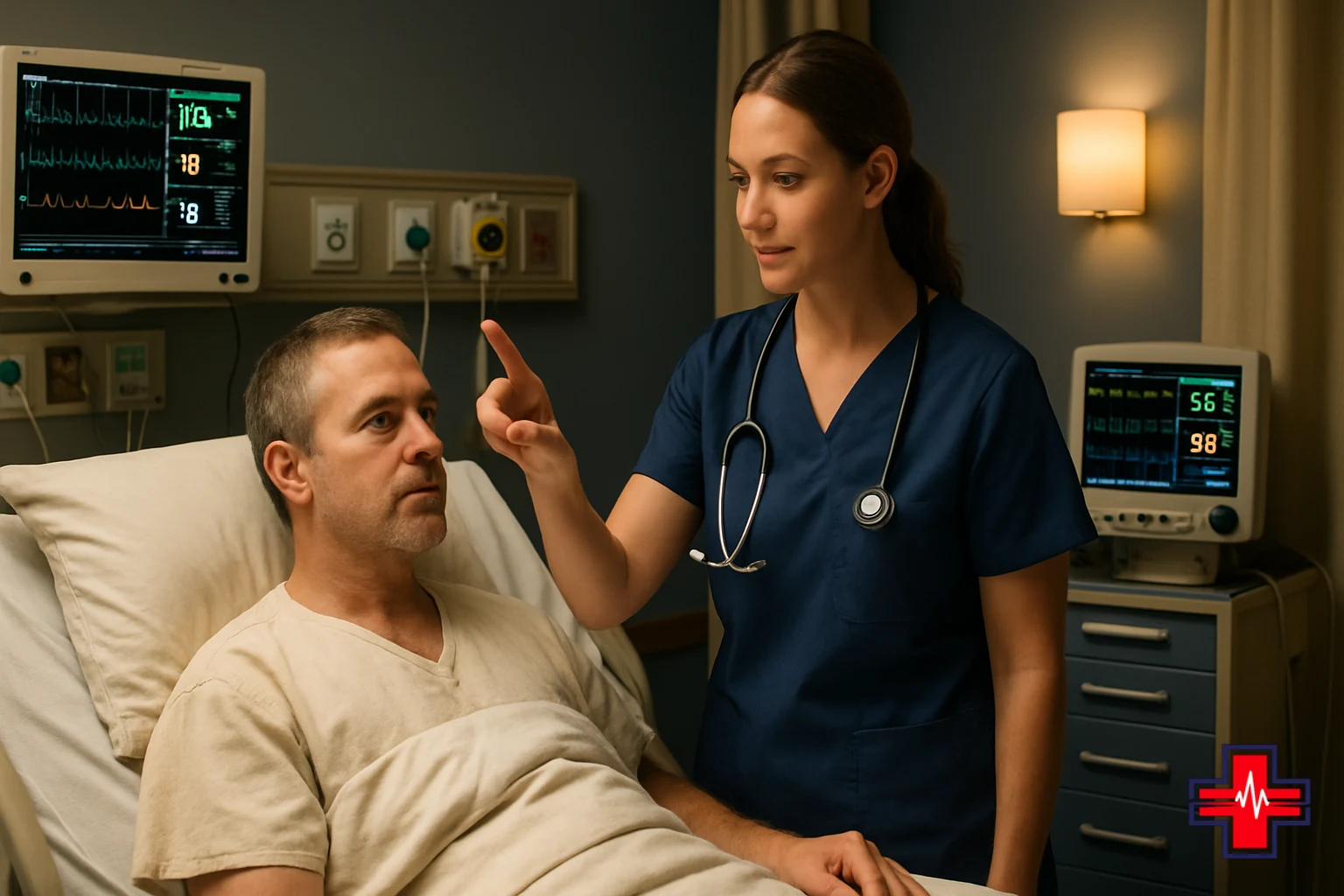
The ER provider will perform a comprehensive baseline neurological exam, assessing mental status, memory (both recent and remote), ability to concentrate, coordination, balance, reflexes, and sensation. They ask specific questions: What is the date? Who is the current president? Can you recall three words and repeat them back after a delay? These seemingly simple tasks reveal whether the brain's cognitive function is intact. Blood tests ER services may include labs to screen for complications, and imaging such as CT scanning may be ordered if high-risk features are present.
During observation, nurses perform serial neuro checks at regular intervals—typically every 15 to 30 minutes early on, then progressively extending the interval if stability is maintained. The team monitors vital signs (heart rate, blood pressure, oxygen saturation, temperature), watches for headache progression, notes any vomiting or dizziness, and remains alert for any change in consciousness or behavior. Many patients are observed in the ER for several hours before discharge. Some require extended observation or hospital admission for monitoring overnight.
Neuro Checks and Continuous Monitoring
Neurological checks—often called "neuro checks"—are the cornerstone of head injury observation. These systematic assessments look for any sign that the brain's function is deteriorating. A standard neuro check includes the Glasgow Coma Scale (GCS), which evaluates eye opening, verbal response, and motor response on a numerical scale. It also assesses pupil size and reactivity to light, as abnormalities can signal intracranial pressure changes or localized injury.
ER staff evaluate orientation to person (Do you know who you are?), place (Do you know where you are?), and time (Do you know what day it is?). They test memory by asking the patient to recall recent events or to remember words given minutes earlier. Balance and coordination are assessed through simple tasks like touching nose with eyes closed or walking a straight line. Strength testing in all four limbs detects any new weakness, which could indicate a focal brain or spinal cord injury.
These checks are repeated at set intervals because deterioration often develops gradually. A patient who is alert and oriented immediately after injury might slowly become confused or drowsy over the next two to six hours if bleeding is occurring inside the skull. By catching these subtle changes early, the medical team can intervene before the situation becomes critical. This is why observation periods exist and why going home immediately after a head injury without ER evaluation is risky, especially for patients in North Richland Hills, Roanoke, and Haltom City.

Fall and Trauma Observation Protocols
Falls represent a leading cause of head injury across all age groups. Elderly patients who fall at home and strike their head on furniture or the floor carry elevated risk for intracranial bleeding because aging increases blood vessel fragility and thins the protective membranes around the brain. Fall & Trauma ER protocols in Fort Worth emergency departments prioritize rapid assessment of fall-related head injuries, particularly in patients over age 65.
A simple fall in a younger, healthy person—such as a child falling off a bike or during sports—still merits evaluation if there is any loss of consciousness, significant impact force, or a change in behavior afterward. The observation protocol for falls is essentially identical to concussion protocols: baseline neuro assessment, vital sign monitoring, serial neuro checks, and selective imaging as indicated by clinical concern or high-risk features.
Patients who were on anticoagulant medications (blood thinners like warfarin or direct oral anticoagulants) before their fall require particularly vigilant monitoring, as they face increased risk of delayed bleeding. Those with a history of prior head injuries may have lower thresholds for imaging and extended observation. ER providers in Southlake, Grapevine, Flower Mound, and surrounding North Texas areas apply these protocols consistently to ensure no serious head injury is missed.
Orthopedic ER evaluation often runs parallel to head injury assessment if the fall caused other injuries. Imaging of the cervical spine is performed if there is any concern about neck injury, since head trauma and falls can involve spinal trauma simultaneously.
Post-Discharge Care and Follow-Up
Discharge from the ER does not mean the head injury observation period has ended. Rather, it marks a transition to outpatient observation—typically lasting one to two weeks for mild to moderate concussions. Before leaving the ER, patients (and parents of pediatric patients) receive detailed written instructions about symptoms to watch for, activity restrictions, and when to return immediately.
Return-to-activity guidelines are conservative, especially for children and athletes. Most concussion protocols recommend physical and cognitive rest for the first few days, meaning limiting strenuous exercise, screen time, and mentally demanding tasks. Gradual return to normal activity is supervised, and any return to sports typically involves a "return to play" protocol that should be managed by the patient's primary care physician or a sports medicine specialist, not independently attempted.
Red flags warranting a second ER visit include worsening or new-onset severe headache, repeated vomiting, increasing confusion, difficulty staying awake, slurred speech, weakness or numbness that develops after discharge, or any new seizure activity. Some patients experience post-concussion syndrome—persistent headaches, dizziness, difficulty concentrating, mood changes, and sleep disturbance lasting weeks or months. While most cases resolve with time and supportive care, follow-up with a primary care physician is important to rule out other causes and discuss symptom management strategies.
Head Injury Observation in Fort Worth
ER Of Fort Worth, located at 4561 Heritage Trace Parkway, Suite 117, Fort Worth, TX 76244, operates 24/7 to evaluate and observe head injuries for residents across Fort Worth and surrounding communities. The facility is equipped with CT imaging, laboratory services, and a fully staffed team trained in rapid neurological assessment and trauma care protocols. Whether you suspect a concussion, have suffered a significant fall, or are uncertain about a head bump that occurred hours earlier, the ER is available whenever you need evaluation.
Calling ahead is not necessary; you can arrive and register immediately. Online check-in through the ER Of Fort Worth website allows you to complete registration paperwork before arrival, reducing wait time. Once you arrive, the clinical team triages your injury urgently and begins assessment and monitoring without unnecessary delay. The ER accepts most insurance plans; call 817-945-4200 to confirm coverage or ask questions about ER services.
Fort Worth Emergency Room services extend to surrounding areas including Keller TX Emergency Room, Alliance, Saginaw, Haslet, and Watauga. Residents in any of these communities can access the same rapid, evidence-based head injury observation and monitoring. Whether you are a parent concerned about your child's fall during play, an older adult who tripped at home, or an athlete with a suspected sports-related concussion, do not hesitate to seek ER evaluation.
Early evaluation and proper observation of head injuries can prevent serious complications from developing undetected. Trust your instincts; if you are unsure whether an injury warrants ER care, calling the facility for advice or simply coming in for assessment is always the safer choice.
Frequently Asked Questions
What is the difference between observation and admission after a head injury?
Observation typically means staying in the ER or a dedicated observation unit for several hours of monitoring before discharge home. Admission means staying overnight or longer in the hospital for ongoing inpatient care. Most mild to moderate head injuries resolve with several hours of ER observation and discharge with home care instructions.
Can I go home right after a head injury if I feel fine?
No. Serious head injuries may not cause immediate symptoms; dangerous complications like intracranial bleeding can develop hours later. Medical evaluation and observation allow the ER team to establish a baseline and monitor for delayed signs of trouble before you leave safely.
How long does a typical head injury observation last?
Duration varies based on injury severity and clinical presentation. Mild concussions may require 2–4 hours of observation; more severe injuries or those with concerning features may require longer observation in the ER or hospital admission. Your ER physician will explain the expected timeline.
What should I do if symptoms appear after I've left the ER?
Return to the ER immediately if you develop severe headache, repeated vomiting, confusion, difficulty staying awake, weakness, slurred speech, or seizures. These signs suggest a complication and require urgent re-evaluation.
Are children's head injuries treated differently than adults' in the observation protocol?
The core observation protocol is similar, but Pediatric Emergency Care includes age-specific assessment tools and communication strategies. Children may have lower concussion thresholds and stricter return-to-activity guidelines than adults.
Will I need imaging (CT scan) for every head injury?
No. The decision to image is based on injury mechanism, signs and symptoms, age, and risk factors. Minor bumps without loss of consciousness or neurological symptoms may not require imaging. Your ER physician will explain whether imaging is appropriate for your specific injury.