
What Is Observation Status? Hospital Stay Definition
If you've been admitted to the hospital "for observation," you may wonder what that means for your care, billing, and length of stay. Observation status is a specific clinical designation that differs significantly from a formal hospital admission—and understanding the distinction can help you navigate your healthcare decisions more confidently.
In This Article
- What Is Observation Status in a Hospital?
- Observation Status vs. Hospital Admission: Key Differences
- When Do Doctors Order Observation Status?
- What to Expect During an Observation Stay
- Billing and Insurance: How Observation Affects Your Costs
- Observation Status at ER Of Fort Worth
- Important Questions to Ask Your ER Provider
- Frequently Asked Questions
⚡ Key Takeaways
- Observation status means you are being monitored closely but have not been formally admitted as an inpatient, which affects billing, insurance coverage, and length of stay expectations.
- The primary difference between observation and admission is that observation is short-term (typically 24–48 hours) and allows hospitals to gather more clinical information before deciding on full admission or discharge.
- Observation patients remain under close medical supervision with access to tests, imaging, and monitoring but are classified as outpatients for Medicare and insurance purposes.
- Your doctor may recommend observation status when your condition is uncertain—such as chest pain of unclear origin or a fall requiring evaluation—rather than committing to a full inpatient stay.
- Ask your ER provider to clarify your status in writing, as observation vs. admission has real consequences for out-of-pocket costs and post-discharge care coverage.
What Is Observation Status in a Hospital?
Observation status is a hospital classification used when a patient requires close medical monitoring and diagnostic evaluation but does not meet the criteria for full inpatient admission. Under observation status, you remain in the hospital under direct supervision—often in a dedicated observation unit or regular patient room—while physicians gather clinical data, perform tests, and decide whether to admit you formally or discharge you home.
The key principle behind observation status is clinical uncertainty. Your doctor may not yet know whether your condition requires prolonged hospitalization or whether it will resolve with brief monitoring and supportive care. Rather than making an immediate decision to admit or discharge, observation provides a window of time—typically 24 to 48 hours—for your medical team to obtain more information.
This designation is especially common in emergency medicine, where conditions such as chest pain of unclear origin, suspected pneumonia, or injuries from a fall may warrant a period of observation before a final clinical decision is made. Observation status has become increasingly important in modern healthcare as a way to deliver appropriate care while managing resource use efficiently.
Observation Status vs. Hospital Admission: Key Differences
Although both observation and admission involve staying in a hospital, they are clinically and administratively distinct.
- Admission status: A formal inpatient admission means your physician has determined you require hospitalization for ongoing treatment, monitoring, or surgical intervention. You are classified as an inpatient for all insurance and billing purposes, and the hospital assumes responsibility for your care under an inpatient protocol.
- Observation status: You remain classified as an outpatient, even though you spend one or more nights in the hospital. This outpatient designation has major implications for billing, insurance coverage, and what services may be covered as part of your hospital stay.
Duration also differs significantly. Inpatient admissions can last days, weeks, or longer depending on your condition and treatment plan. Observation stays are intentionally brief—the Centers for Medicare & Medicaid Services (CMS) and most insurance carriers expect observation to last no more than 24 to 48 hours. If a physician determines you need to stay longer, you are typically converted to inpatient admission status.
Another crucial difference: skilled nursing facility eligibility. If you are later discharged to a nursing home for rehabilitation, Medicare will only cover that facility stay if you were admitted as an inpatient for at least three consecutive days (not counting the discharge day). An observation-only stay does not qualify, which means you may face significantly higher out-of-pocket costs for post-hospital care.
When Do Doctors Order Observation Status?
Physicians choose observation status when clinical findings are ambiguous or when a condition requires short-term monitoring to clarify the diagnosis and treatment plan. Common scenarios include:
- Chest pain evaluation: A patient arrives with chest discomfort, but initial electrocardiograms (ECGs) and troponin levels are not definitively abnormal. Doctors use observation time to repeat cardiac markers, perform additional testing, and assess the patient's response to treatment. See our guide on Chest Pain ER Fort Worth for more detail on evaluation protocols.
- Pneumonia or respiratory infection: A patient shows signs of pneumonia treatment candidacy, but it is unclear whether they need IV antibiotics or can manage at home with oral medication. Observation allows doctors to assess oxygen levels, respiratory status, and treatment response.
- Head injury after a fall: Following trauma, observation allows physicians to monitor for delayed symptoms such as altered consciousness or neurological changes. Falls and injuries are common reasons for observation in the Fort Worth and Keller areas, especially among older adults.
- Abdominal pain of unclear cause: When the source of severe abdominal pain is not immediately obvious, observation and serial imaging help narrow the diagnosis.
- Fever with systemic symptoms: In cases of fever treatment, observation may be used while awaiting blood tests and culture results to determine whether IV antibiotics or other interventions are needed.
The decision to use observation is driven by medical judgment. Your doctor must document the reason for observation and the expected timeline for reassessment. This becomes especially important when seeking care at a 24/7 facility like ER Of Fort Worth in Fort Worth, Saginaw, Haslet, or Watauga, where emergency physicians use observation frequently to provide safe, efficient care.
What to Expect During an Observation Stay
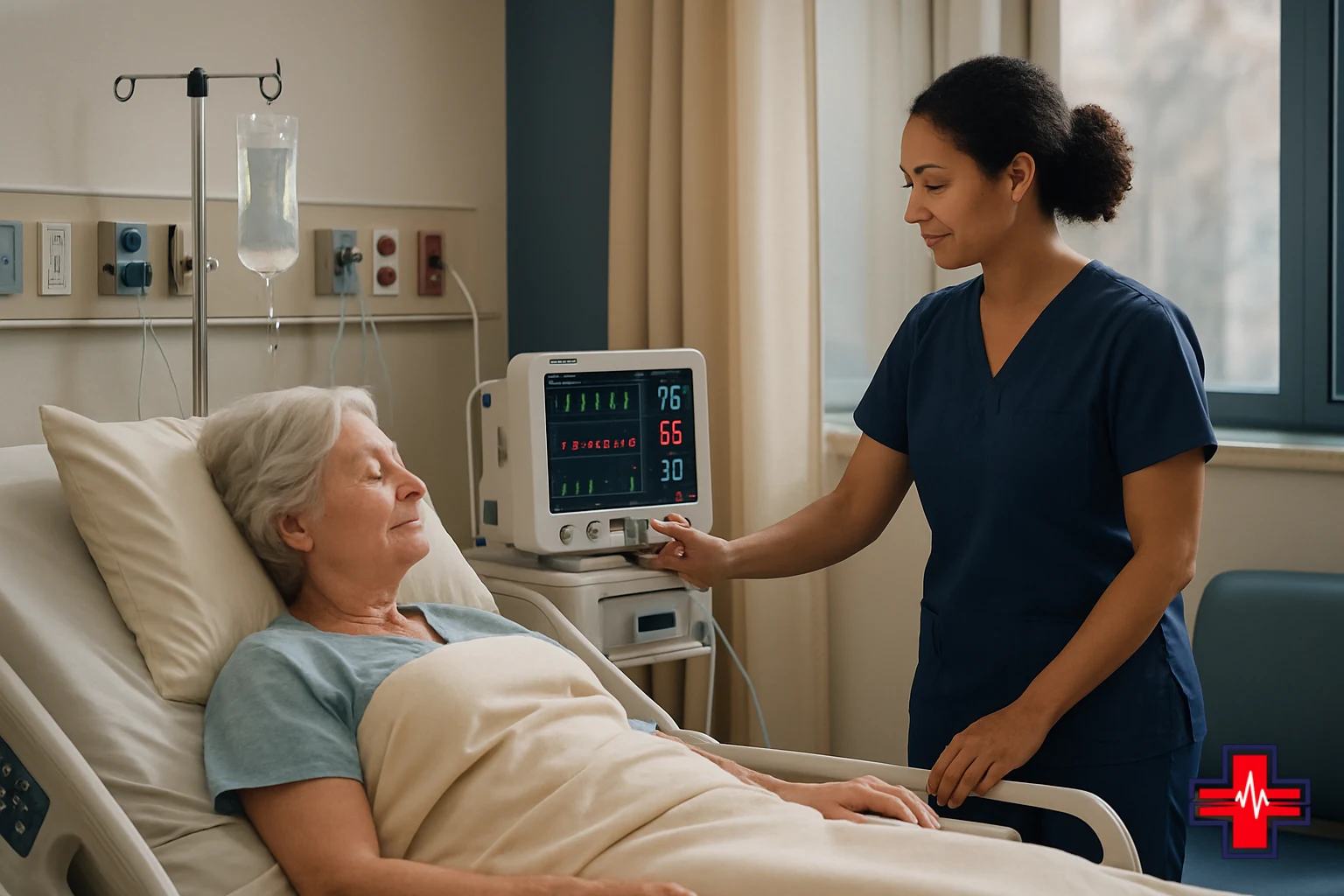
If your ER provider places you on observation status, you will be moved to a patient room or observation unit where nurses and doctors can monitor you closely. You can expect:
- Continuous or frequent vital sign monitoring: Your heart rate, blood pressure, oxygen level, and temperature will be checked regularly, often using bedside monitors or wearable devices.
- Diagnostic testing: Depending on your condition, you may undergo repeated blood tests, imaging studies such as X-rays or ultrasound, or specialized tests like electrocardiograms (for chest pain evaluation) or urinalysis (for UTI assessment).
- Medication administration: You may receive IV antibiotics, IV fluids, pain relief, or other medications as determined by your care team.
- Physician reassessment: Your doctor will check on you at least once per shift, review test results, and determine your clinical progress.
- Clear communication about next steps: Before discharge or conversion to admission, your physician should explain what they have learned from the observation period and what your next steps are.
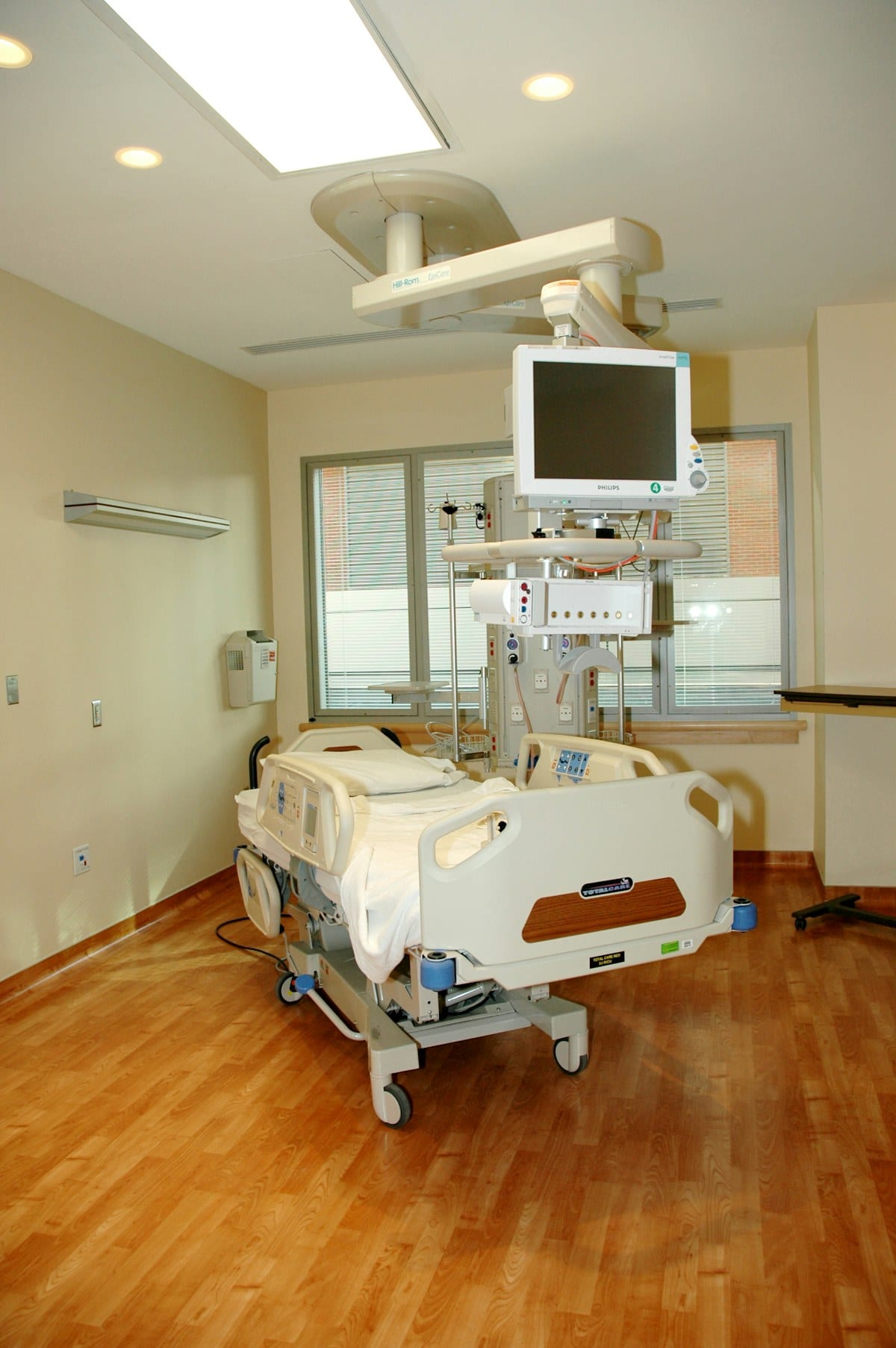
Most observation stays occur in a comfortable hospital room with similar amenities to inpatient rooms. You may have a television, phone, and bathroom in your room. If you are clinically stable, you may be allowed to ambulate, eat, and have visitors, though this depends on your specific condition.
Billing and Insurance: How Observation Affects Your Costs
The distinction between observation and admission has profound financial consequences, and this is where many patients face surprise bills or coverage gaps.
Medicare and observation: Medicare classifies observation as outpatient care. This means that most hospital services—room charges, nursing, meals, medications—are bundled into a single observation payment to the hospital, and you typically owe a copayment or coinsurance amount. However, physician services (such as the ER doctor's evaluation) may be billed separately. Importantly, if you later require admission to a nursing home, Medicare will not count your observation-only stay toward the three-day inpatient requirement, leaving you responsible for the full nursing home bill.
Private insurance: Coverage varies by plan. Some private insurance plans cover observation the same way they cover outpatient urgent care, with a copayment. Others may impose higher cost-sharing. It is essential to contact your insurance carrier directly to understand your plan's observation coverage.
Out-of-pocket considerations: Because observation is classified as outpatient care by most insurers, your deductible and out-of-pocket maximum may apply differently than they would to an inpatient admission. In some cases, you may pay more out of pocket for an observation stay than you would for a short inpatient admission.
Your responsibility: Ask your ER physician or hospital discharge planner to provide written documentation of your status (observation vs. admission) and to explain the expected billing and any out-of-pocket costs. This is especially important if you are a resident of Fort Worth, Keller, Alliance, or surrounding areas where ER Of Fort Worth serves the community—our staff can help clarify these details.
Observation Status at ER Of Fort Worth
ER Of Fort Worth is a 24/7 freestanding emergency room located at 4561 Heritage Trace Parkway, Suite 117, Fort Worth, TX 76244, serving patients from Fort Worth, Keller, Alliance, Saginaw, Haslet, Watauga, Roanoke, North Richland Hills, Haltom City, Bedford, Southlake, Grapevine, and Flower Mound.
Our emergency medicine team uses observation status thoughtfully when your condition warrants close monitoring but the clinical picture remains uncertain. Whether you arrive with shortness of breath, fever and systemic symptoms, or injuries from a fall or trauma, our physicians will evaluate you thoroughly and discuss whether observation, admission, or discharge is most appropriate.
Our freestanding ER environment allows us to focus on emergency and urgent care without the overhead of a traditional hospital system, which can mean more personalized attention to your clinical needs. When you require observation, we maintain continuous access to diagnostic imaging, laboratory services, and physician oversight. You can check in online to streamline your arrival, and our team will explain your status and treatment plan clearly before discharge.
If you have questions about your observation stay or need clarification on billing, call us at 817-945-4200 or speak with our staff during your visit. If you are experiencing a life-threatening emergency, call 911 or go to the nearest emergency room immediately.
Important Questions to Ask Your ER Provider
Before you leave the ER or are settled into an observation room, make sure to ask your physician or nurse the following questions to clarify your status and expectations:
- "Am I being admitted as an inpatient, or am I on observation status?" Ask for a clear, written statement of your status. Do not assume based on the fact that you are staying overnight.
- "How long do you expect my observation stay to last?" Understanding the anticipated timeline helps you plan for work, childcare, and other responsibilities.
- "What are you monitoring for, and what will determine whether I am admitted or discharged?" This helps you understand the clinical goal of your observation period.
- "What tests or treatments do you plan to perform during observation?" Knowing what to expect reduces anxiety and allows you to ask about any medications or procedures in advance.
- "What will my out-of-pocket costs be for this observation stay?" Ask the hospital billing department if your ER does not provide this information. Insurance coverage of observation varies significantly.
- "If I am discharged after observation, what should I do if my symptoms return?" Get clear discharge instructions and know when to return to the ER.
- "Will I be eligible for nursing home care coverage if I need it?" This is critical if you are older or anticipate needing rehabilitation. Observation-only stays do not qualify for Medicare skilled nursing facility coverage.
Having these conversations early—and in writing when possible—protects you and ensures you understand your care plan and financial responsibilities.
Frequently Asked Questions
What is the main difference between observation status and hospital admission?
Observation status means you are classified as an outpatient and are expected to stay only 24–48 hours for monitoring and testing to clarify your diagnosis. Inpatient admission means you are formally admitted and may stay longer; you are classified as an inpatient for all insurance and billing purposes. This distinction affects your insurance coverage and out-of-pocket costs significantly.
Will I have to pay more for observation than for admission?
It depends on your insurance plan. Observation is typically billed as outpatient care, which may mean different cost-sharing than inpatient admission. Many patients end up paying more out of pocket for observation because deductibles and coinsurance rules differ. Always ask your insurance company and hospital billing office for specific cost estimates.
Can observation status be changed to inpatient admission?
Yes. If your condition does not improve or if your doctor determines you need longer hospitalization after the initial observation period, you can be converted to inpatient admission status. This conversion should be documented in your medical record and communicated to you clearly.
Does observation status count toward the three-day Medicare requirement for nursing home coverage?
No. Medicare only counts inpatient admission days (not observation) toward the three-day requirement needed to qualify for skilled nursing facility coverage. This is a critical distinction that can result in substantial out-of-pocket costs for post-hospital rehabilitation if you were on observation only.
What conditions commonly lead to observation status in an emergency room?
Chest pain of unclear origin, suspected pneumonia, head injury or falls, abdominal pain, fever with systemic symptoms, and other conditions where the diagnosis or need for admission is uncertain are common reasons for observation. Your ER doctor will use observation when they want to gather more clinical information before making a final decision.
Can I request to be admitted instead of placed on observation status?
You can express your preference, but the decision to admit or place on observation is made by your physician based on medical judgment, not on patient request. If you have concerns about being on observation only, discuss them with your doctor—they may have clinical reasons for their recommendation that you should understand.